


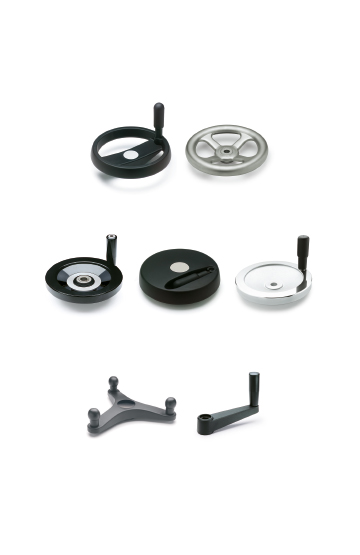
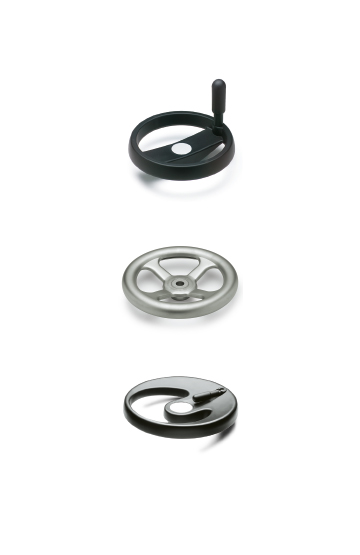
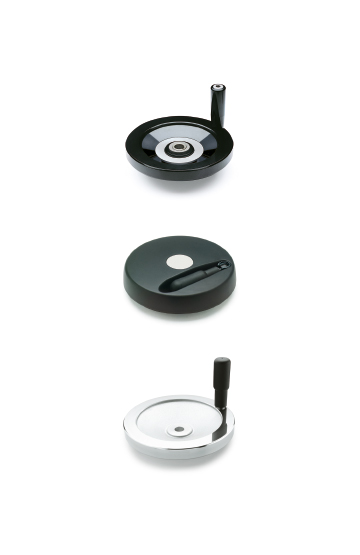
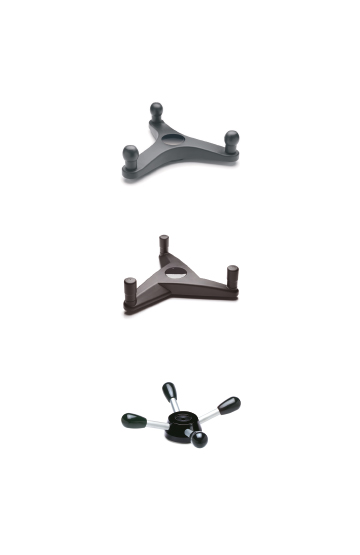
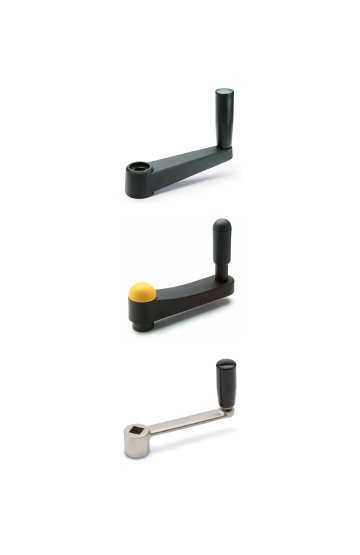
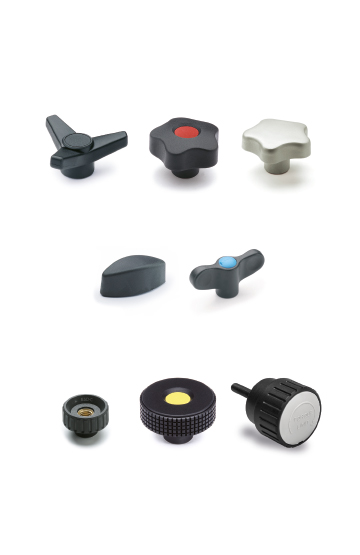
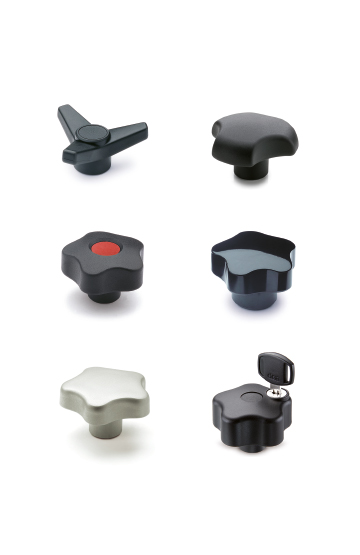
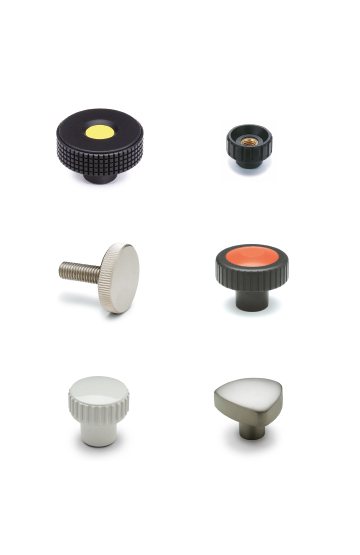
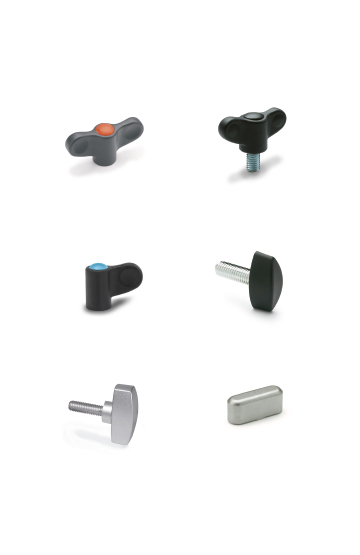
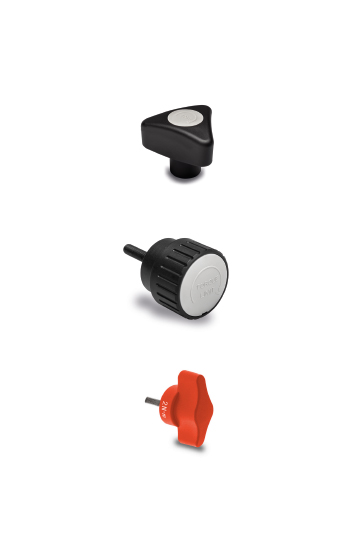
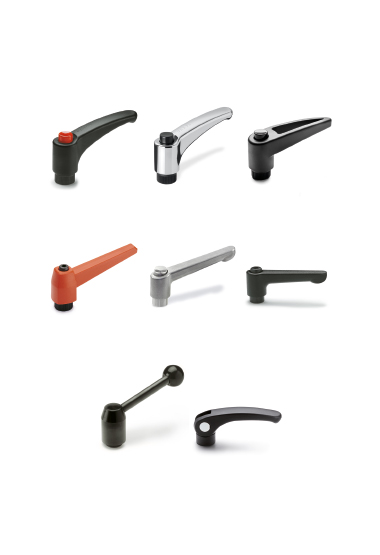
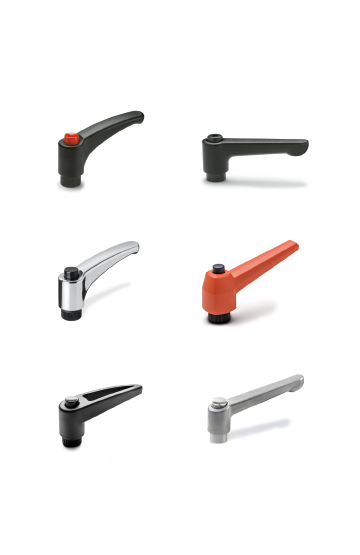
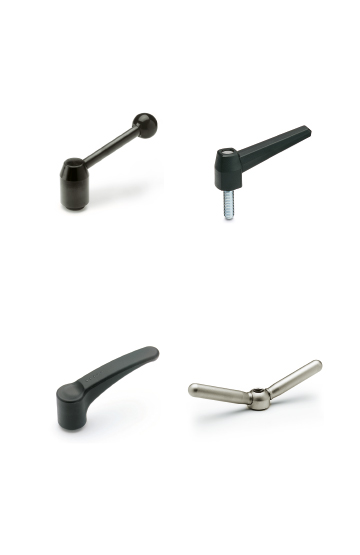
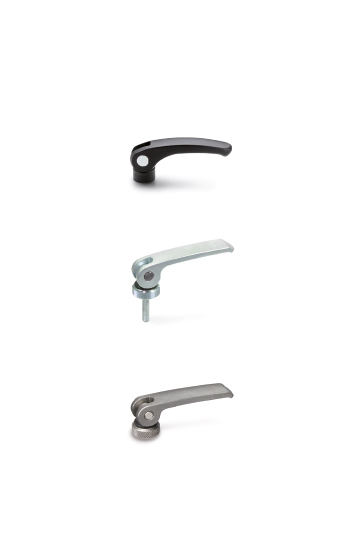
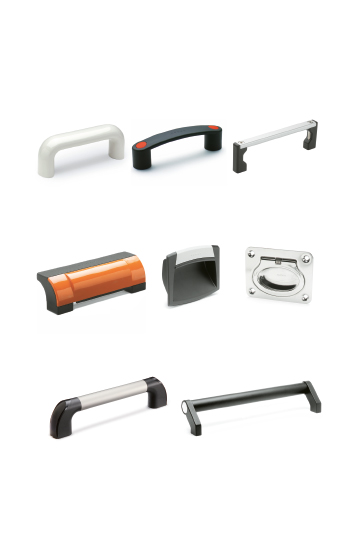
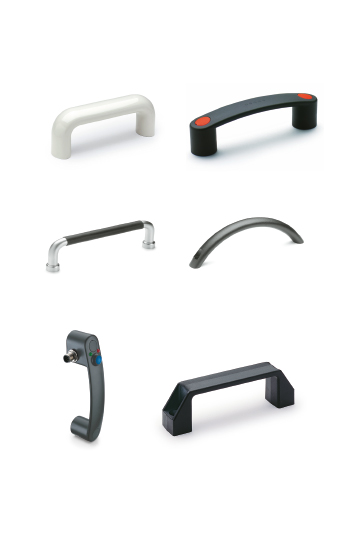
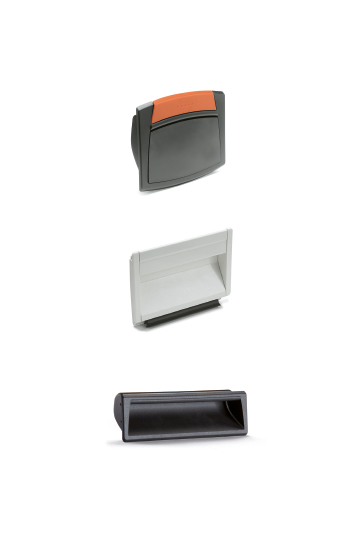
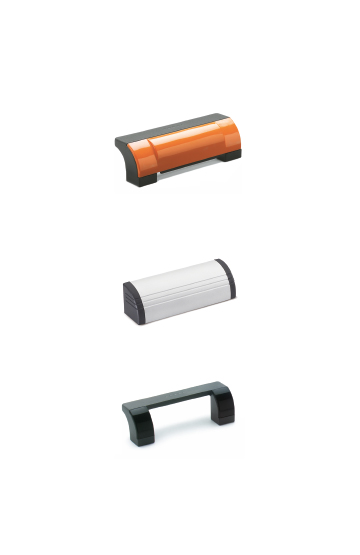
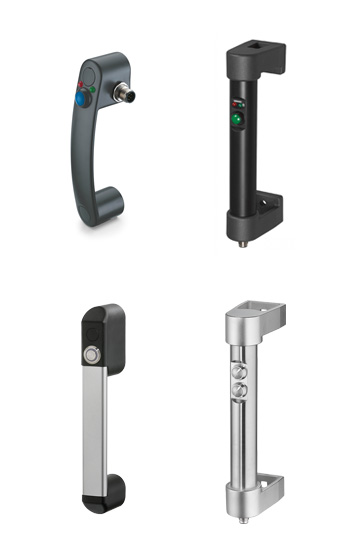
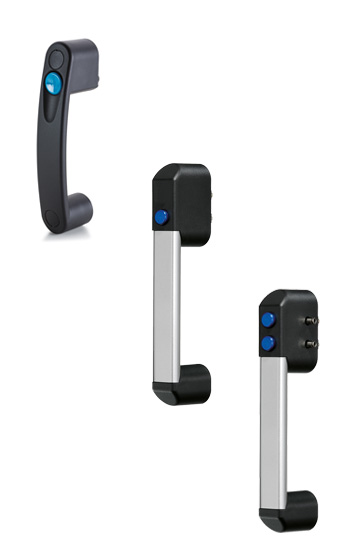
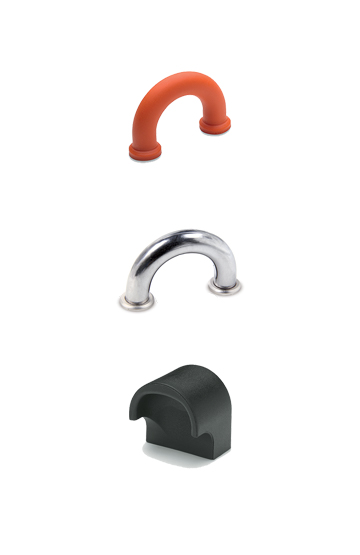
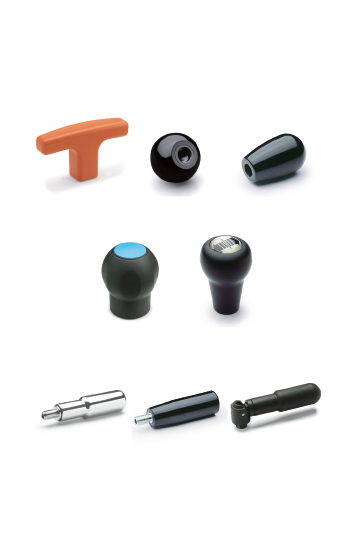
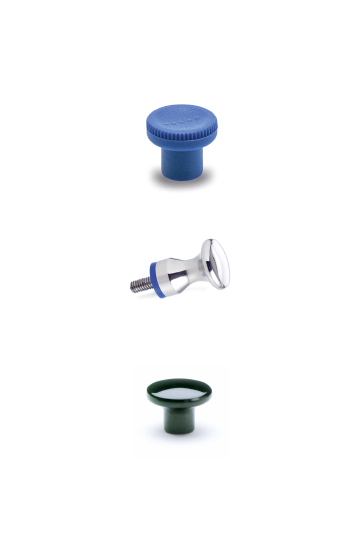
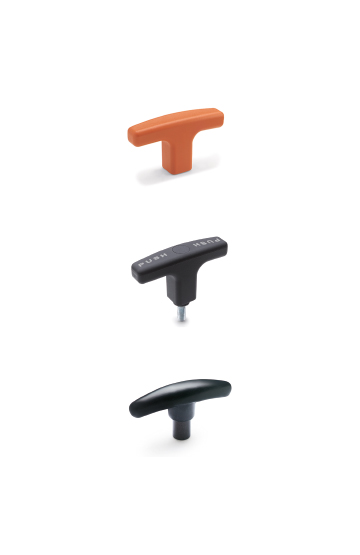
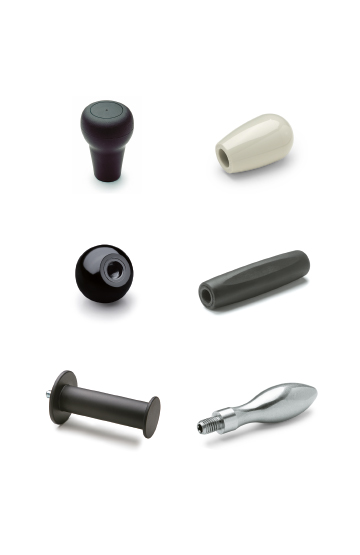
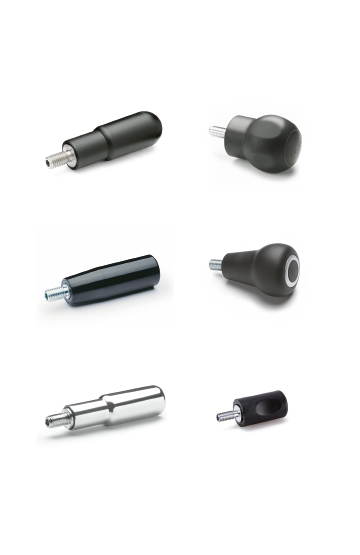
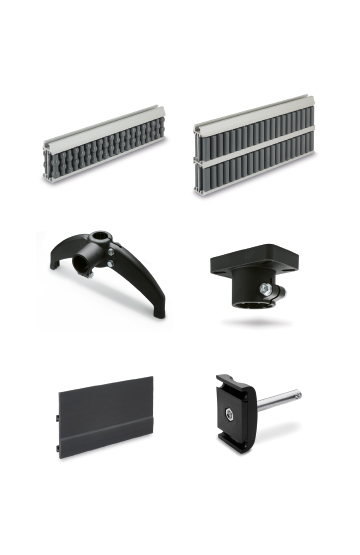
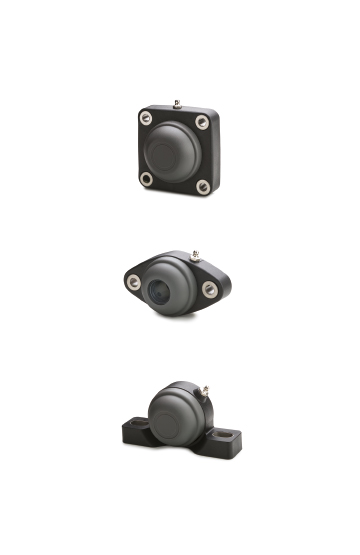
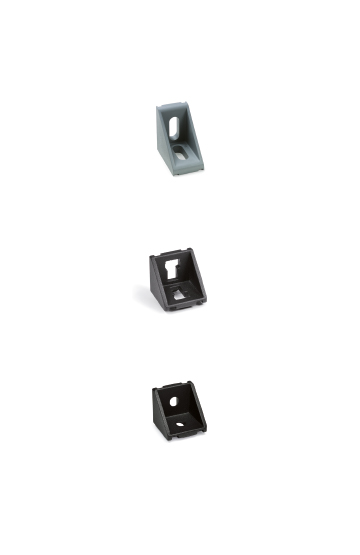
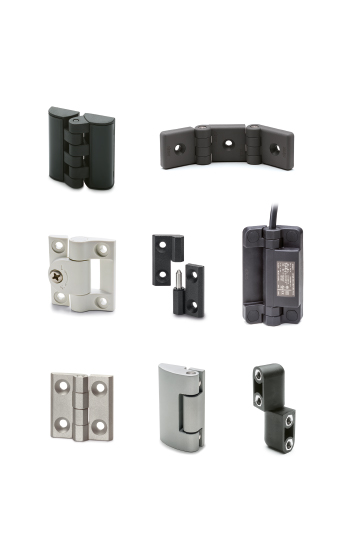

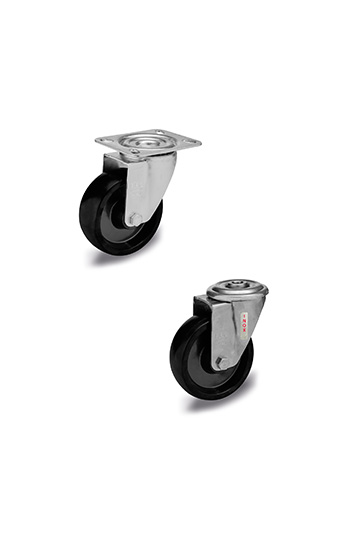

San - Antimicrobial
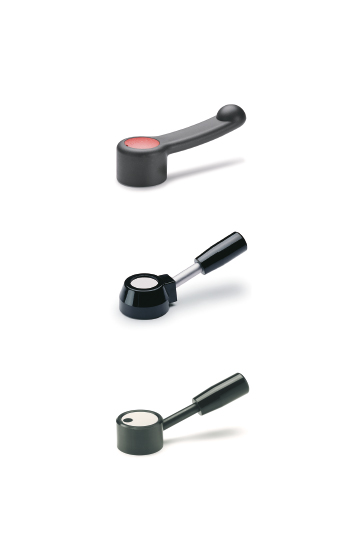
SELF-SANITIZATION AGAINST BACTERIA AND FUNGI

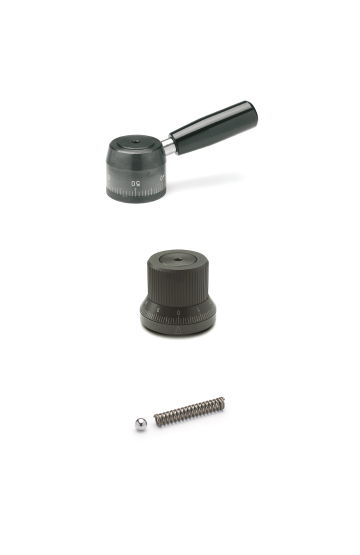
Corrosion resistant, ergonomic, compact shapes in choice materials with easy-clean finishes
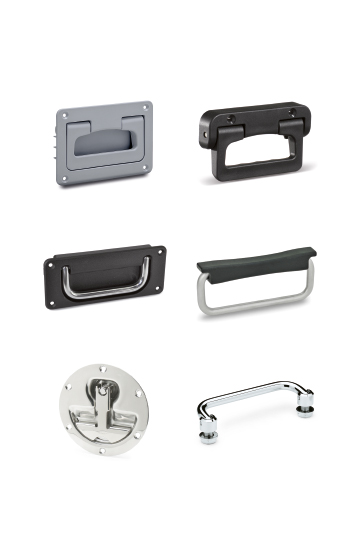
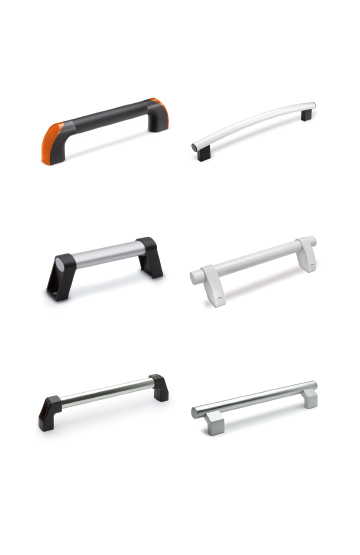
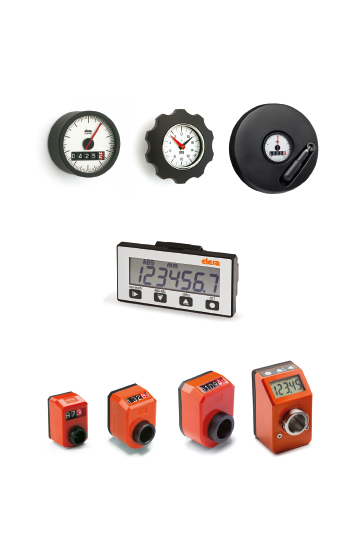
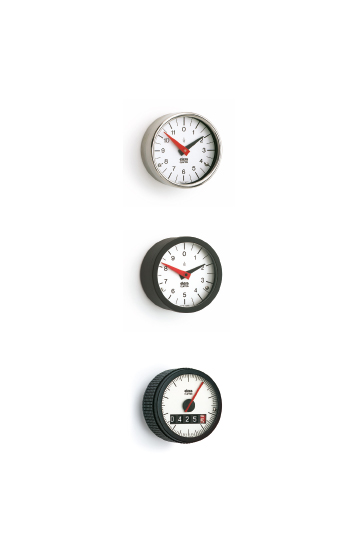
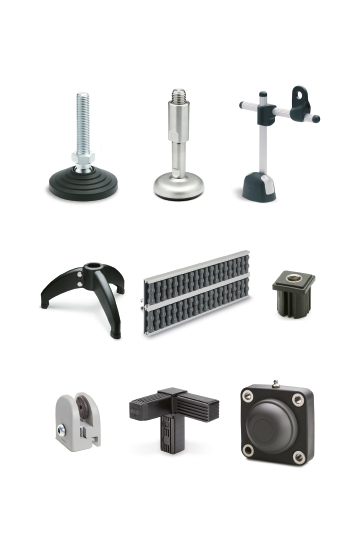
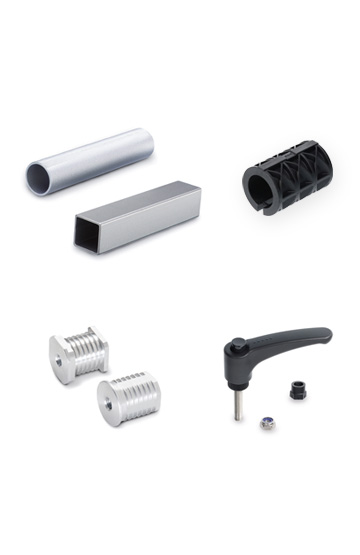
Components for construction vehicles, equipment and machinery
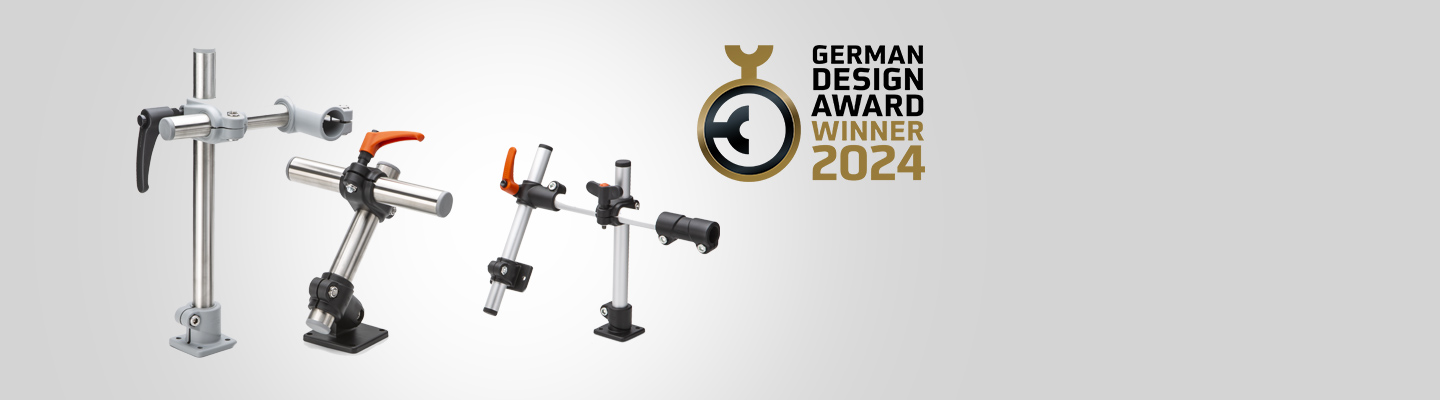



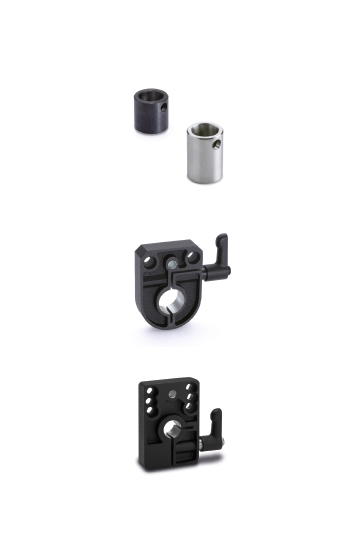
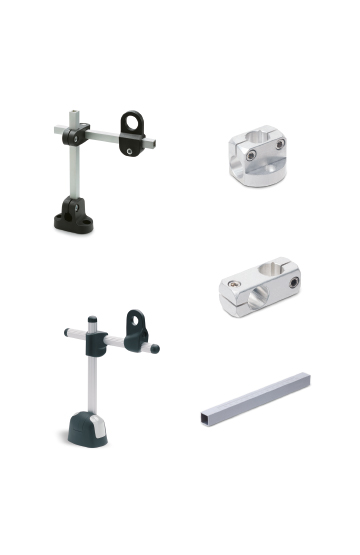
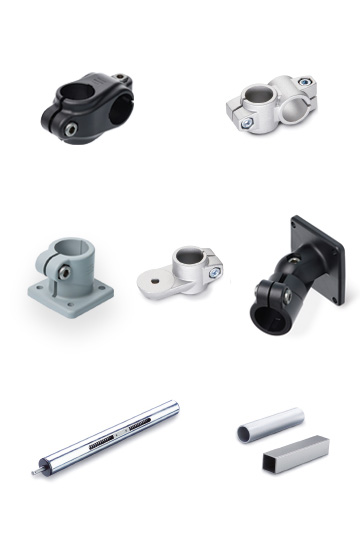
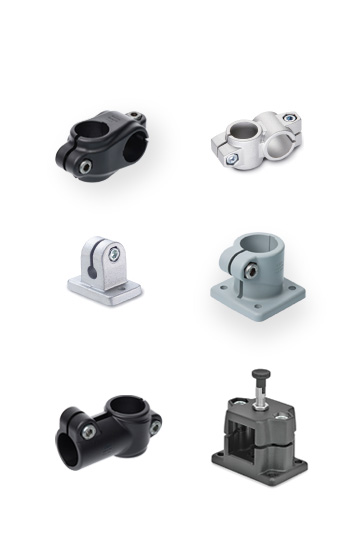
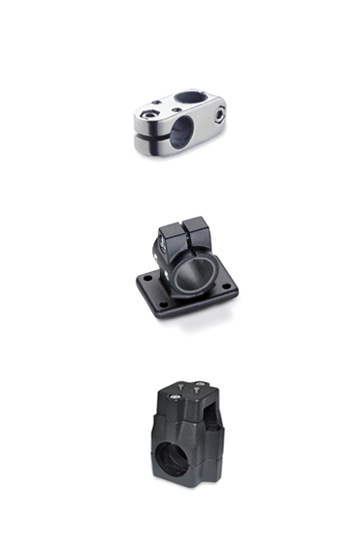
Elesa, the world's leading provider of standard components for the mechanical industry, is proud to present its award-winning range of connecting clamps for tubes. The TCC System, is honored with the 2024 German Design Award “Winner” distinction in the Excellent Product Design category, for it’s combination of strength, durability, and versatility for a multitude of industrial applications.
Read everything
As we bid farewell to an extraordinary year, Elesa reflects on the remarkable journey of 2023. This year has been one of collaborations, accolades, and groundbreaking product launches. Join us as we take a closer look at the highlights that made 2023 a year to remember.
Read everythingSign up to receive the latest information on ELESA products and services.

 >
>


 >
>


 >
>


 >
>


 >
>


 >
>


 >
>


 >
>


 >
>


 >
>


 >
>


 >
>


 >
>


 >
>


 >
>


 >
>


 >
>


 >
>


 >
>


 >
>


 >
>


 >
>


